Major weight loss changes your metabolism, your nutrient stores and often your sleep, so a set of baseline and follow-up tests is part of doing it safely. Most are ordinary blood tests your GP can arrange. A few, such as a sleep study or a body-composition scan, are worth raising if they apply to you.
This topic is also in our free guide, Health Checks and Support. Get it emailed to you
Australian GP guidance describes obesity assessment as screening across three areas: metabolic (blood sugar, cholesterol, liver), mechanical (such as sleep apnoea and joints) and psychological (Medicine Today, 2026). The tests below follow that pattern. Your GP will choose which ones you need, and how often.
Blood tests
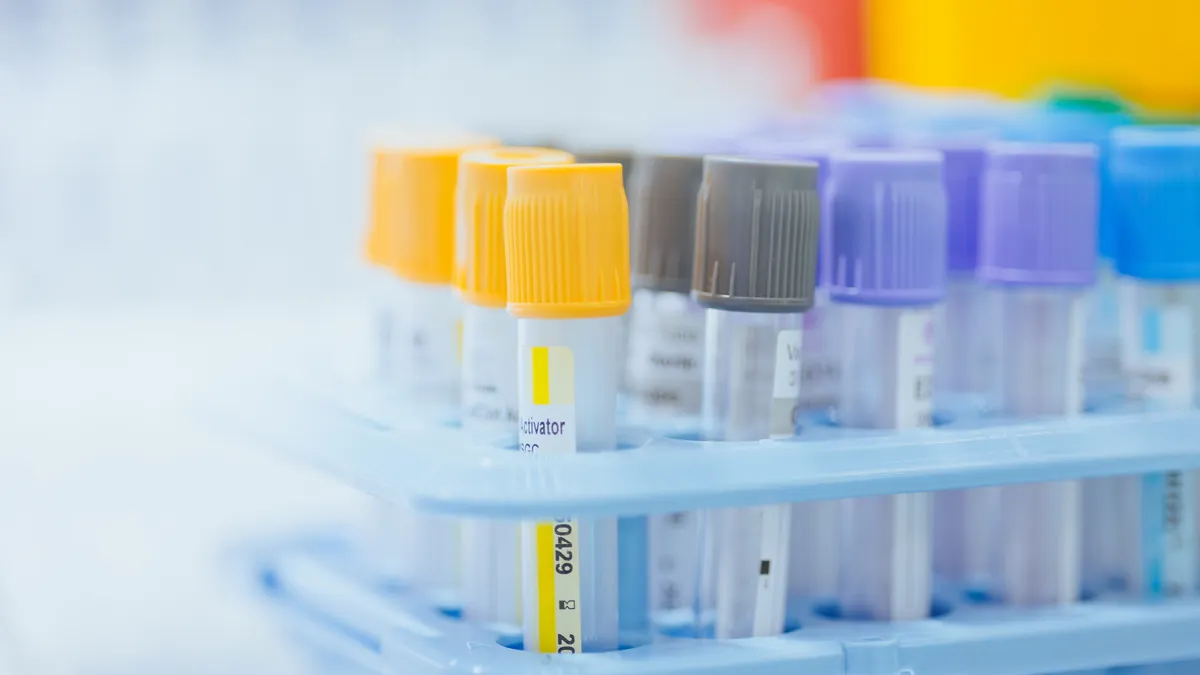
Blood sugar: HbA1c
HbA1c reflects your average blood glucose over the previous 8 to 12 weeks and does not need fasting. A result of 6.5% (48 mmol/mol) or higher is consistent with diabetes (healthdirect). It matters because blood sugar often improves as weight comes off, which can change the doses of diabetes medicines, and because it affects wound healing if you later have surgery.
Cholesterol and triglycerides
A lipid profile measures cholesterol and triglycerides (healthdirect). Repeating it during weight loss shows whether your cardiovascular risk is falling and whether any cholesterol treatment still needs adjusting.
Liver function tests
Liver function tests check how your liver is working and help screen for fatty liver disease, now called metabolic dysfunction-associated steatotic liver disease (MASLD) (healthdirect). Fatty liver is common with excess weight and often improves with weight loss.
Thyroid function
A TSH test, sometimes with T4 and T3, looks for an underactive thyroid (healthdirect). It is a simple way to rule out a medical cause for weight gain, fatigue or a stalled plateau.
Iron, vitamin B12, folate and vitamin D
These are the nutrition markers that matter most when you are eating less, and especially after bariatric surgery. Deficiencies in iron, B12, folate, vitamin D and several other nutrients each affect more than one in ten people after a sleeve gastrectomy or gastric bypass, which is why annual nutrition bloods and a lifelong multivitamin are recommended (Australian Journal of General Practice, 2025).
- Iron studies measure ferritin, serum iron, transferrin and saturation. You may be asked to fast for 12 hours and to stop iron supplements beforehand (healthdirect).
- Vitamin B12 and folate are needed for healthy red blood cells and nerves (healthdirect: B12; healthdirect: folate).
- Vitamin D is often tested where absorption from the gut is reduced (healthdirect).
- A full blood count checks for anaemia (healthdirect).
These markers also matter later. A review of skin surgery after massive weight loss recommends checking haemoglobin and protein status before an operation, and supplementing iron, B12, calcium and a multivitamin where needed (Giordano, Open Access Surgery, 2015). Correcting a deficiency months ahead is easier than discovering it the week before surgery.
Kidney function
Kidney function tests and a urine albumin-to-creatinine ratio screen for kidney effects of diabetes and high blood pressure (healthdirect).
Sleep study for obstructive sleep apnoea
Obesity is the major reversible risk factor for obstructive sleep apnoea (OSA), where the airway repeatedly narrows or closes during sleep (Australian Journal of General Practice, 2019). Loud snoring, witnessed pauses in breathing and daytime sleepiness are the usual signs. Untreated OSA also matters for anaesthesia, so it is worth knowing about before any operation.
Your GP can refer you directly for a Medicare-funded sleep study if two short questionnaires point to a high likelihood of OSA. In plain terms, you need a high score on a sleep apnoea risk questionnaire (STOP-Bang 4 or more, OSA-50 of 5 or more, or a high-risk Berlin result) and a meaningful level of daytime sleepiness (an Epworth Sleepiness Scale score of 8 or more). If you do not meet those thresholds, your GP can refer you to a sleep or respiratory physician, who can order the study after assessing you (RACGP). Most studies are done at home; a laboratory study is used when a home study is unsuitable.
DEXA body-composition scan
A DEXA scan is best known for measuring bone density, but a body-composition report from the same scanner shows how much of your weight is fat, lean tissue and bone (healthdirect). Repeated scans show whether you are holding on to muscle while you lose fat. A body-composition DEXA is not covered by Medicare, so there is a private fee (Macquarie Medical Imaging). For the training and protein side of protecting muscle, see protein and muscle.
ECG
An electrocardiogram records your heart’s electrical activity and can pick up rhythm problems and signs of past heart damage (healthdirect). GP obesity assessment frameworks include it where your history or risk factors call for it (Medicine Today, 2026), and it is often part of the work-up before an anaesthetic.
Making the most of your results
- Ask for copies of your results and keep them together, with dates. A trend over months says more than a single number.
- Bring your most recent bloods to any specialist appointment, including a body contouring consultation.
- If you have had bariatric surgery, keep up the annual nutrition bloods even when you feel well.
- Tell your GP about any supplements or weight-loss medicines you take, as some affect results.
Where to next
- Working with your GP on weight loss
- Nutrition before body contouring
- Nutrition after bariatric surgery
- Health checks and support
If your weight has been stable for some months and your bloods are in good shape, the readiness assessment will help you judge whether it is time to book a consultation with Dr Kumar.
All surgery carries risk. Individual results vary. Dr Rohit Kumar (MED0001630444) Registered medical practitioner, specialist plastic surgeon (specialist registration in surgery – plastic surgery).
Sources
- Yang R, Kormas N, Piya M. Assessment of obesity in adults: practical tips for GPs. Endocrinology Today (Medicine Today), February 2026
- healthdirect: HbA1c test
- healthdirect: Cholesterol and lipid tests
- healthdirect: Liver function tests
- healthdirect: Thyroid function tests
- healthdirect: Iron studies
- healthdirect: Vitamin B12 test
- healthdirect: Folate test
- healthdirect: Vitamin D test
- healthdirect: Full blood count
- healthdirect: Kidney function tests
- healthdirect: Bone density scan
- healthdirect: Electrocardiogram (ECG)
- Australian Journal of General Practice: Bariatric surgery, April 2025
- Australian Journal of General Practice: Adult obstructive sleep apnoea, April 2019
- RACGP: Respiratory function and sleep studies (MBS)
- Macquarie Medical Imaging: DEXA information sheet
- Giordano S. Removal of excess skin after massive weight loss: challenges and solutions. Open Access Surgery 2015;8:51–60